What We Can Learn from Oklahoma City's Wheeler District
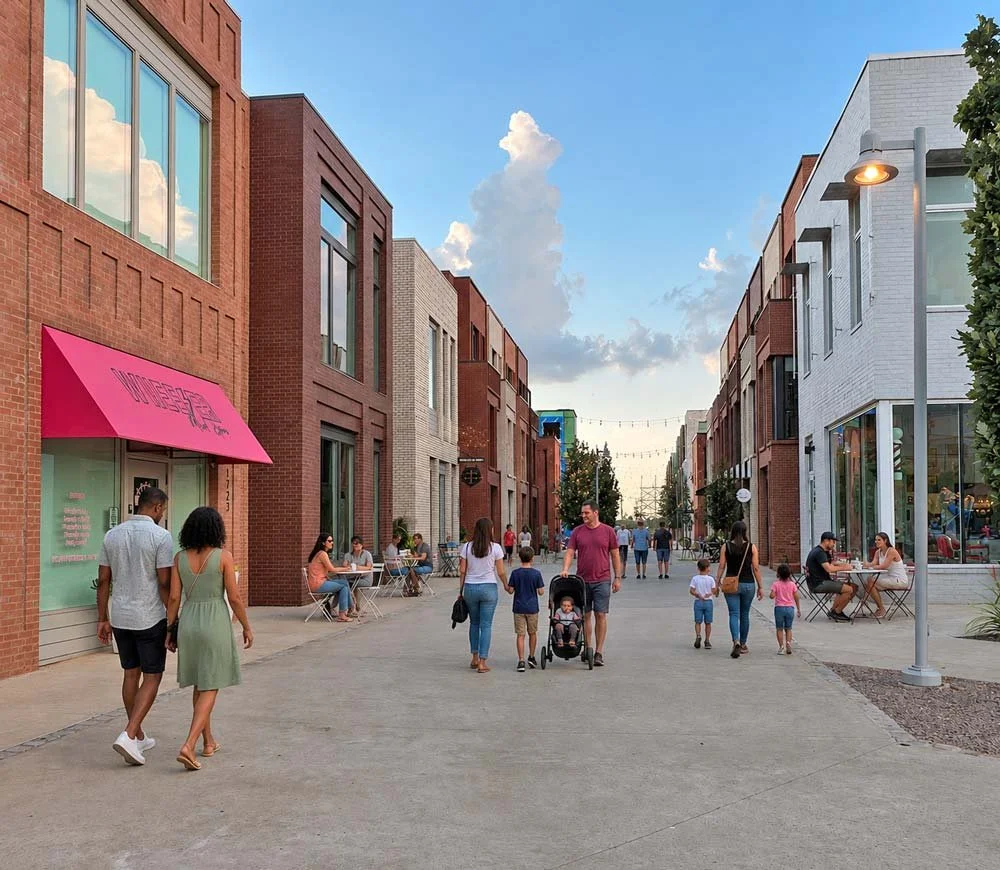
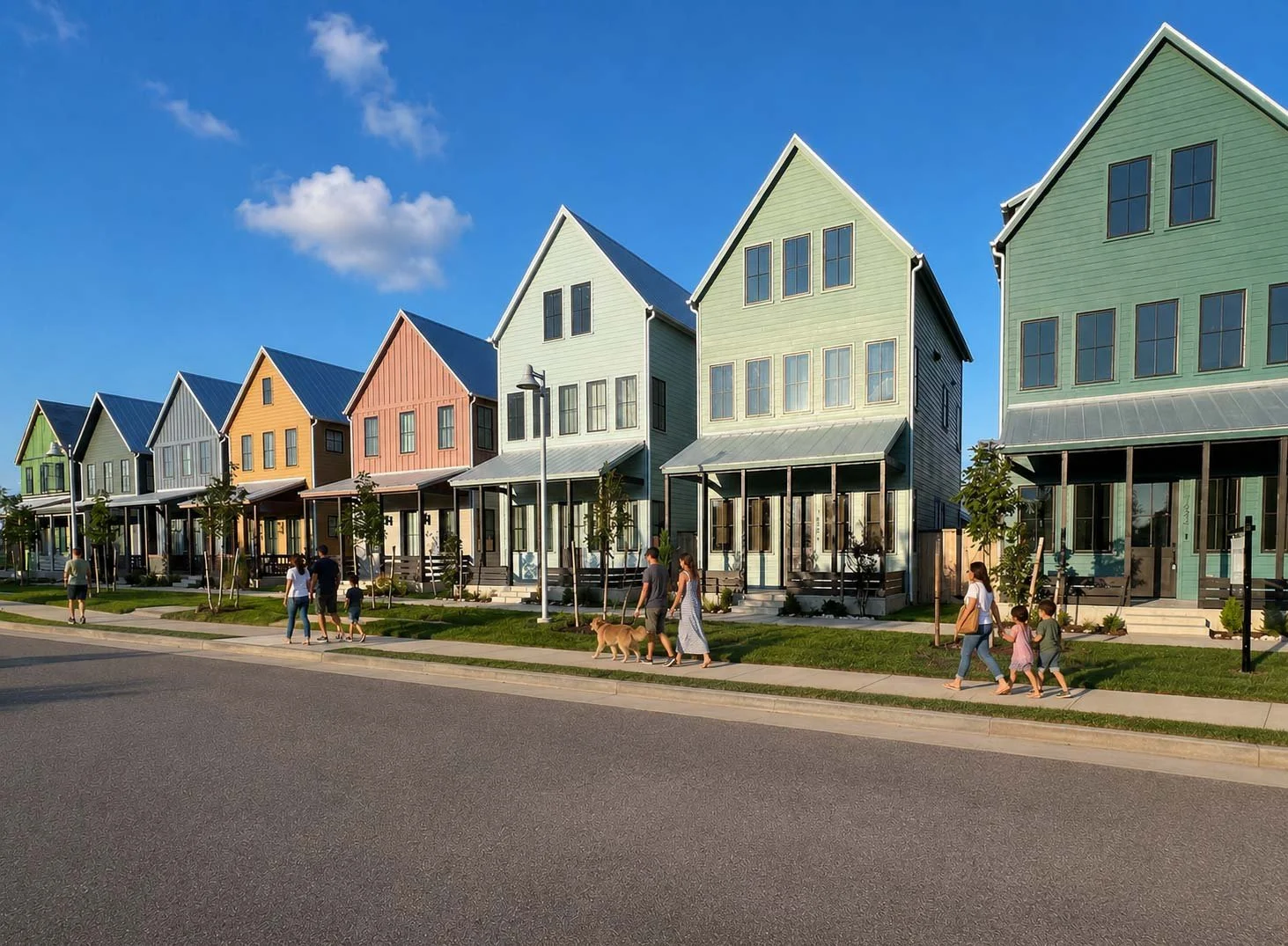
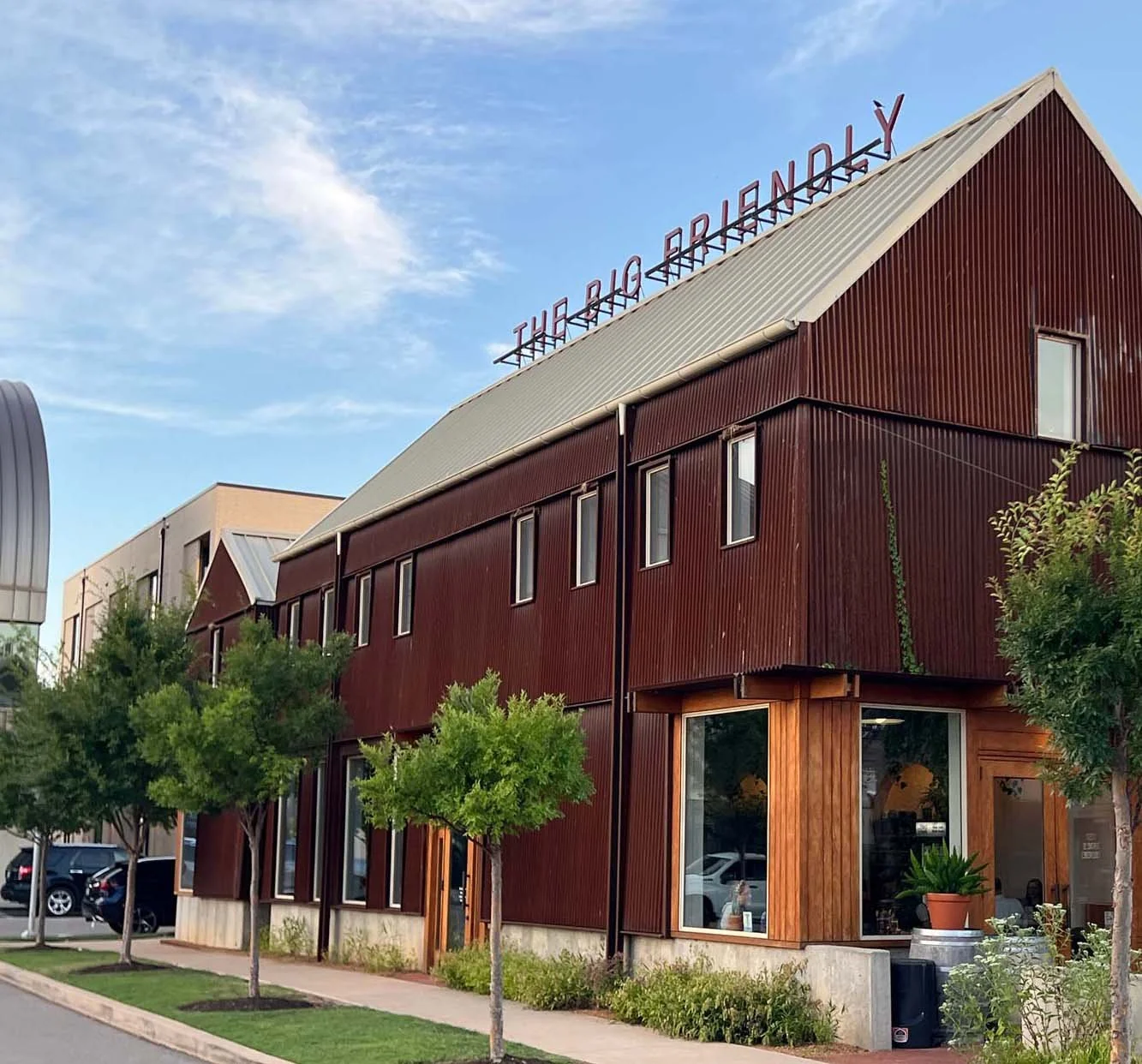
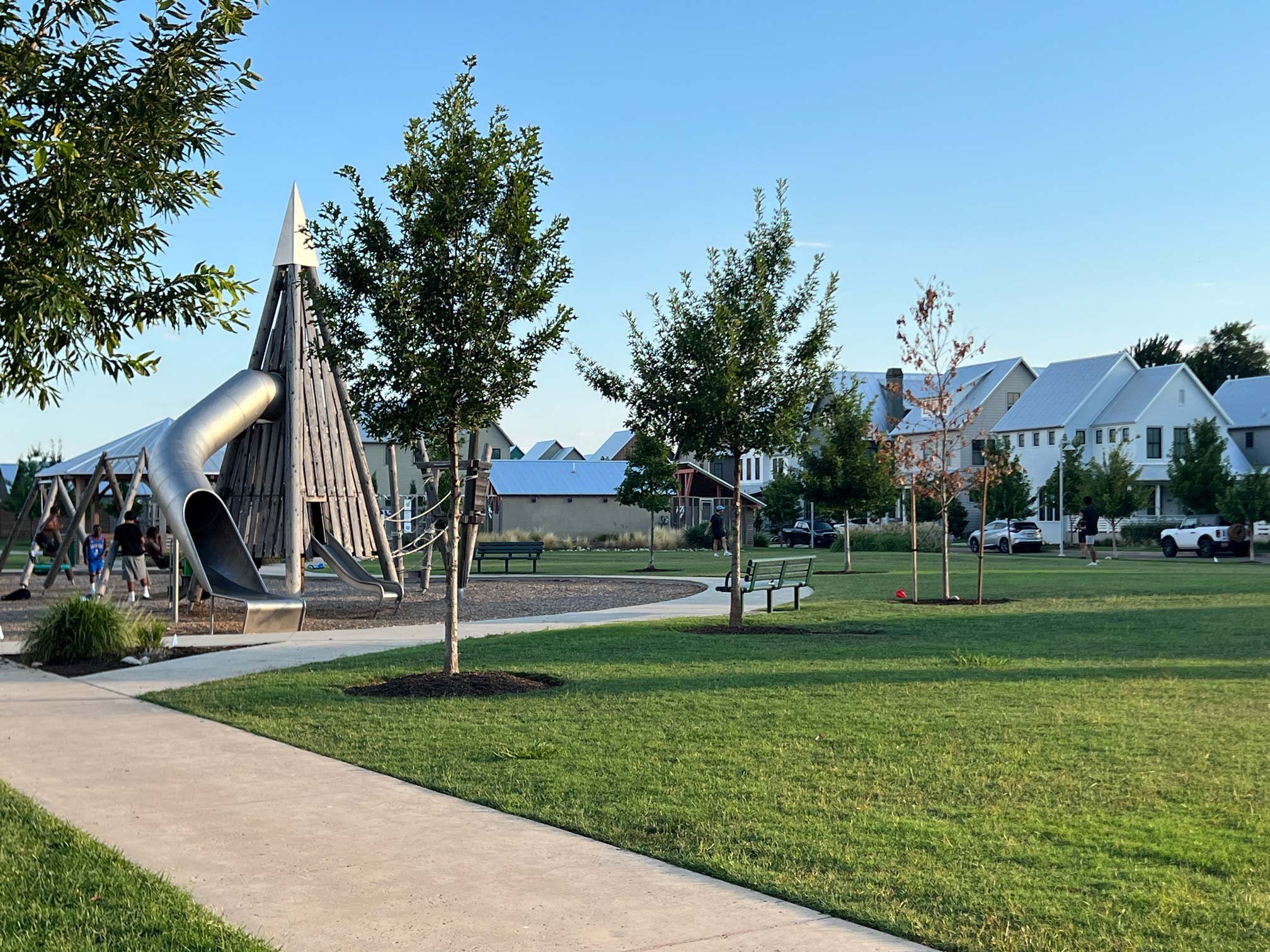
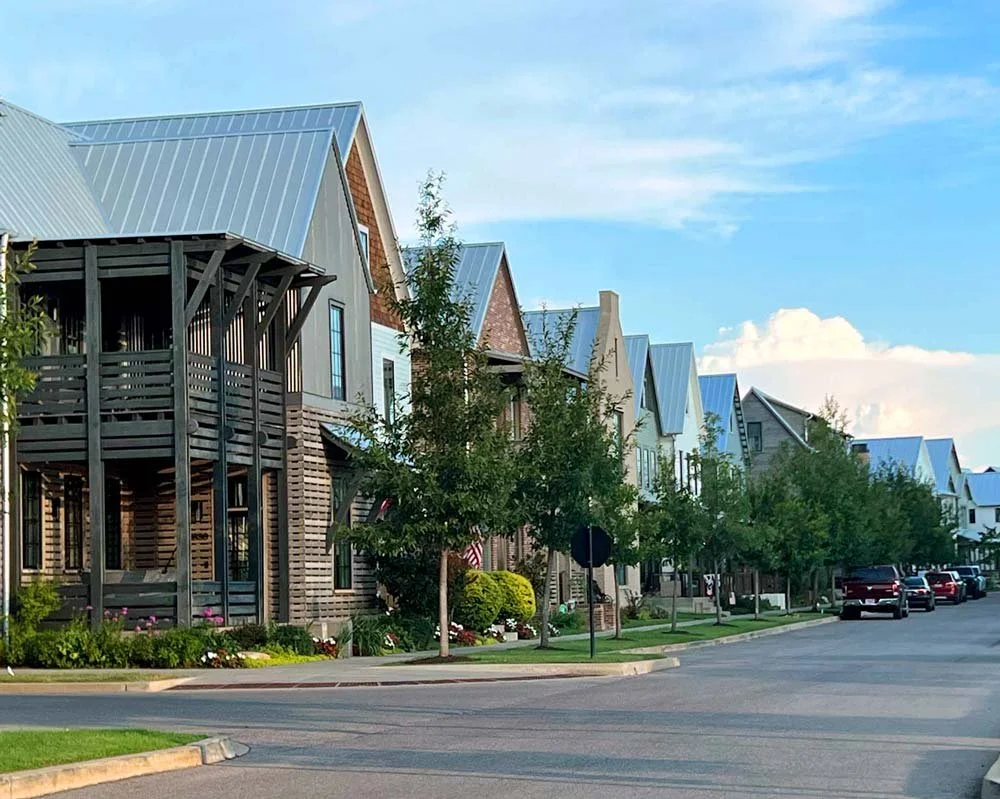
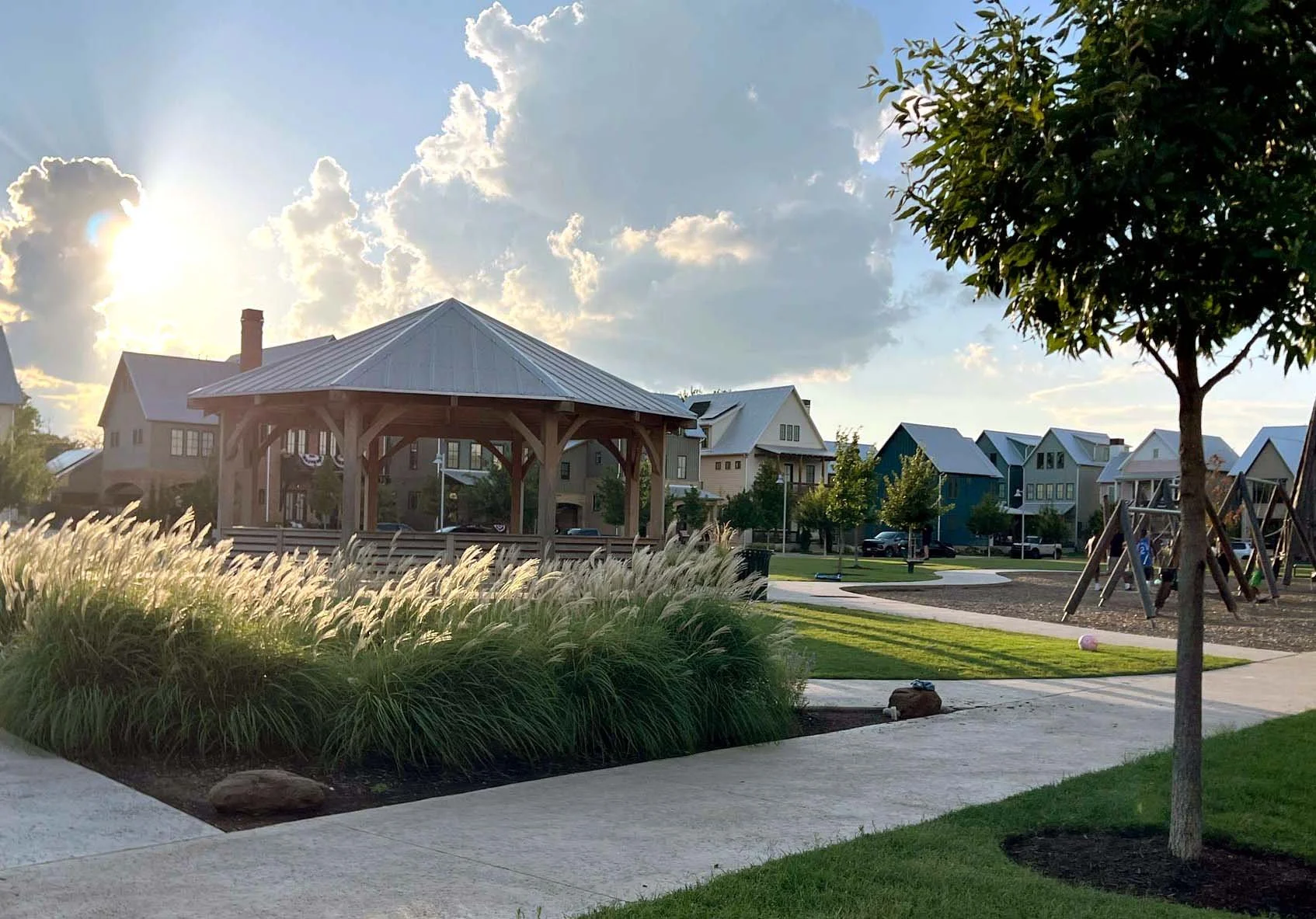
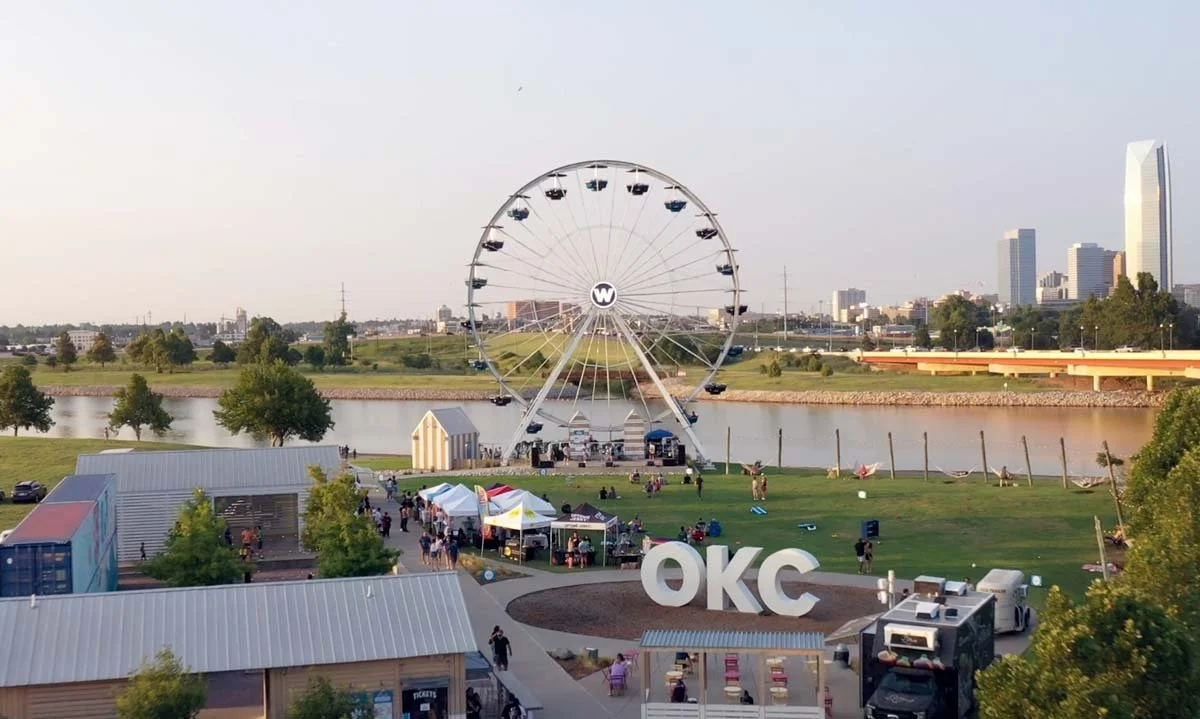
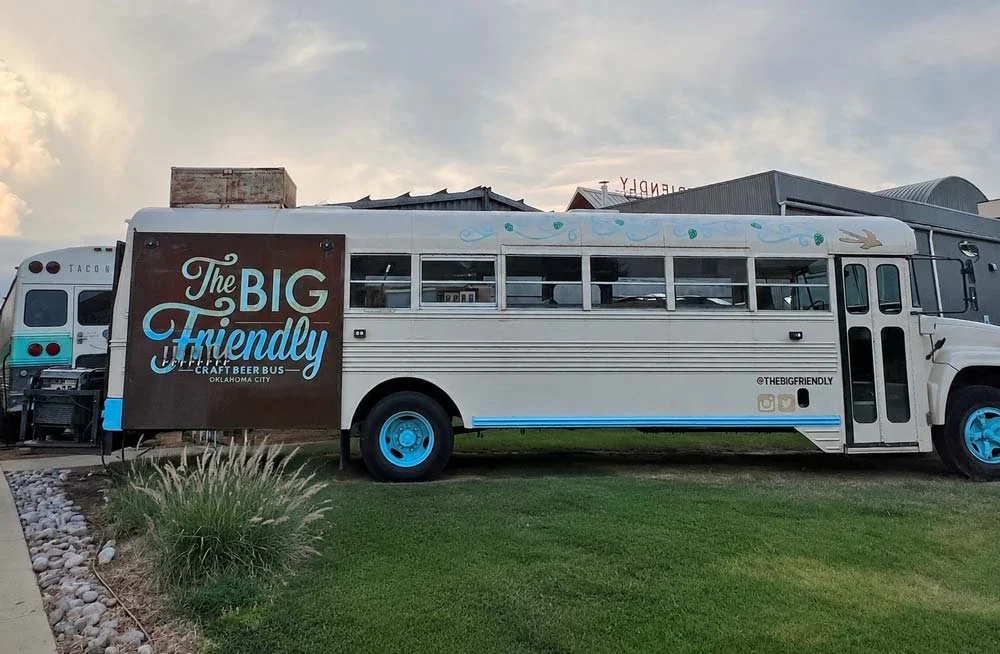
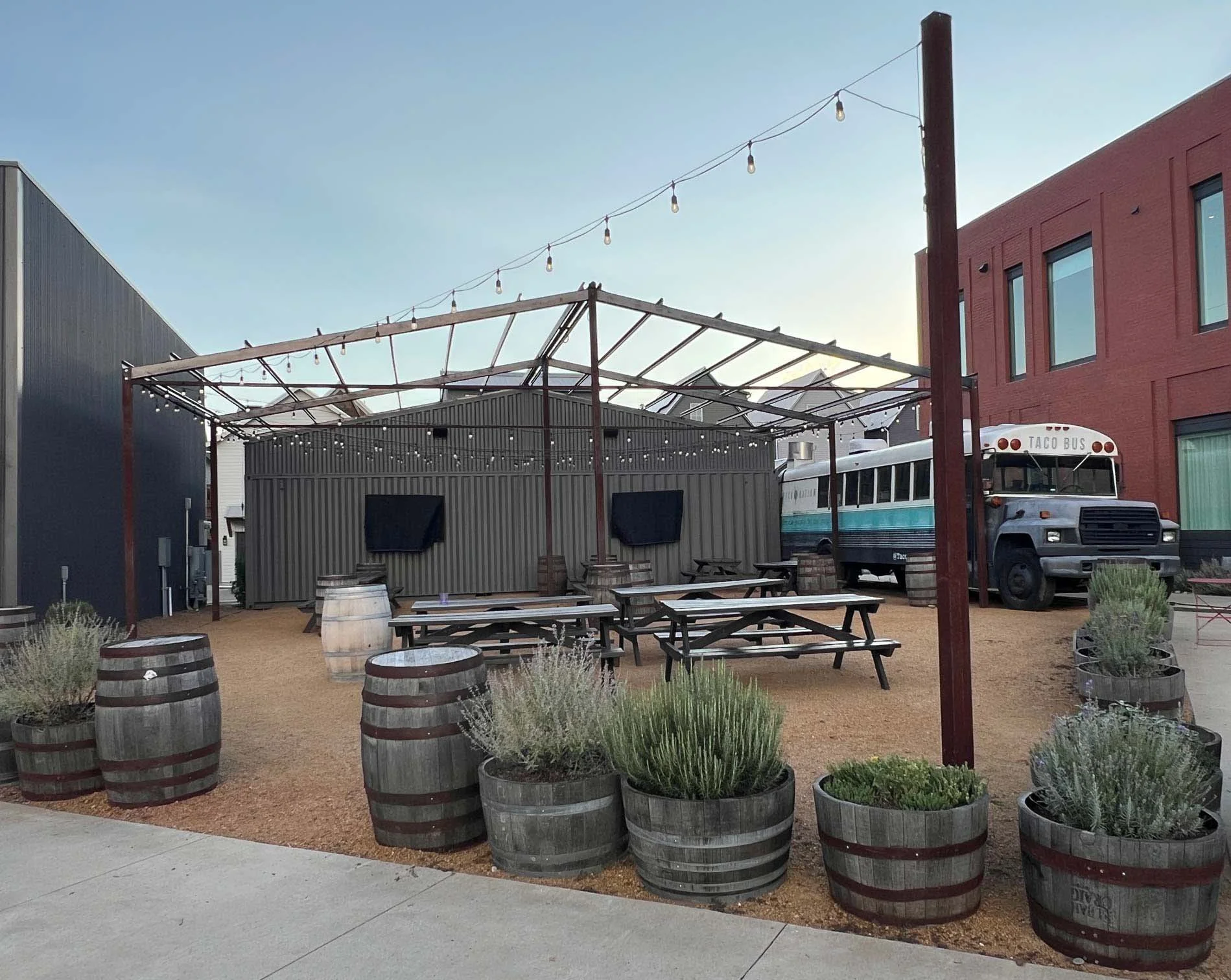
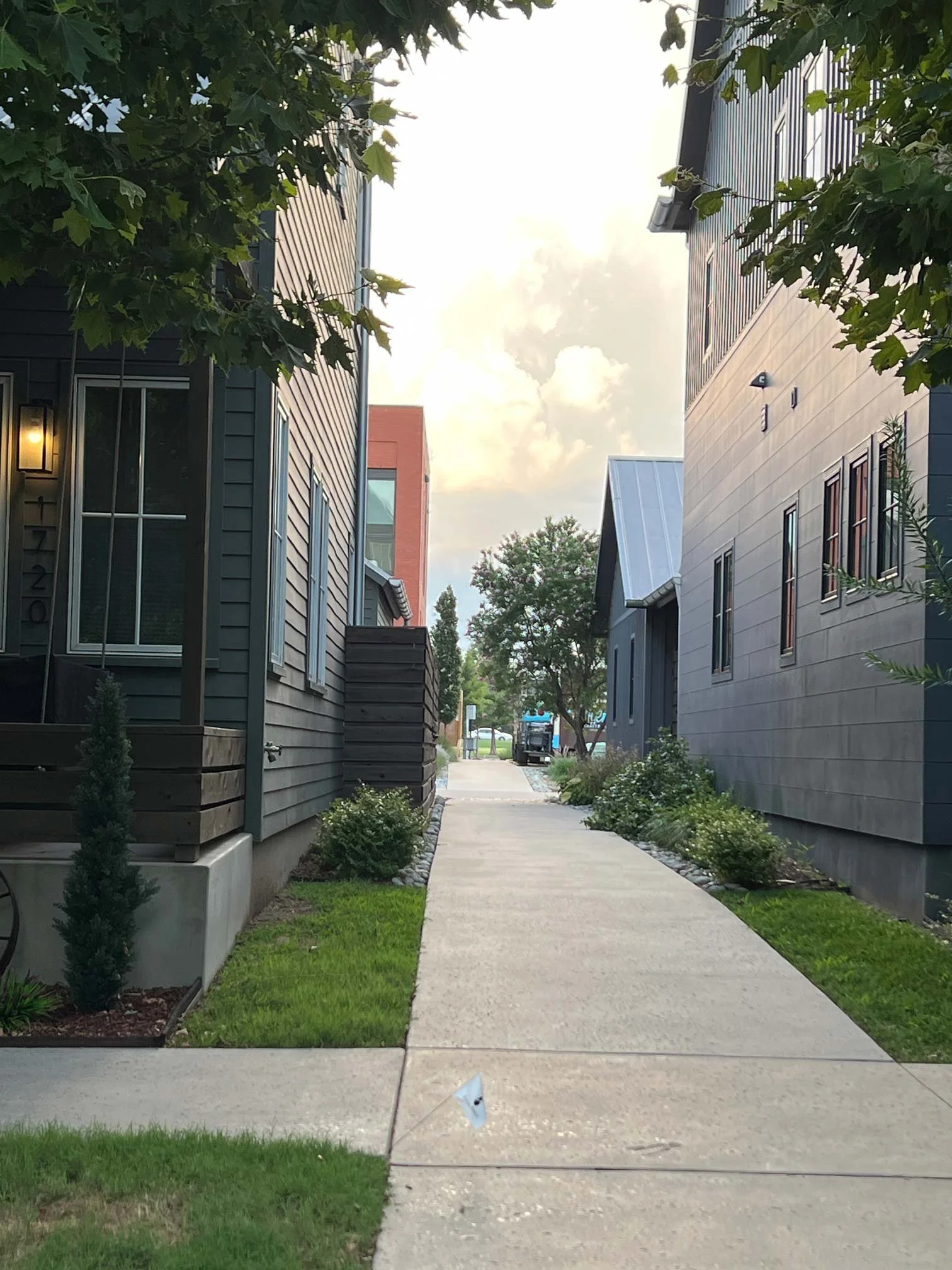
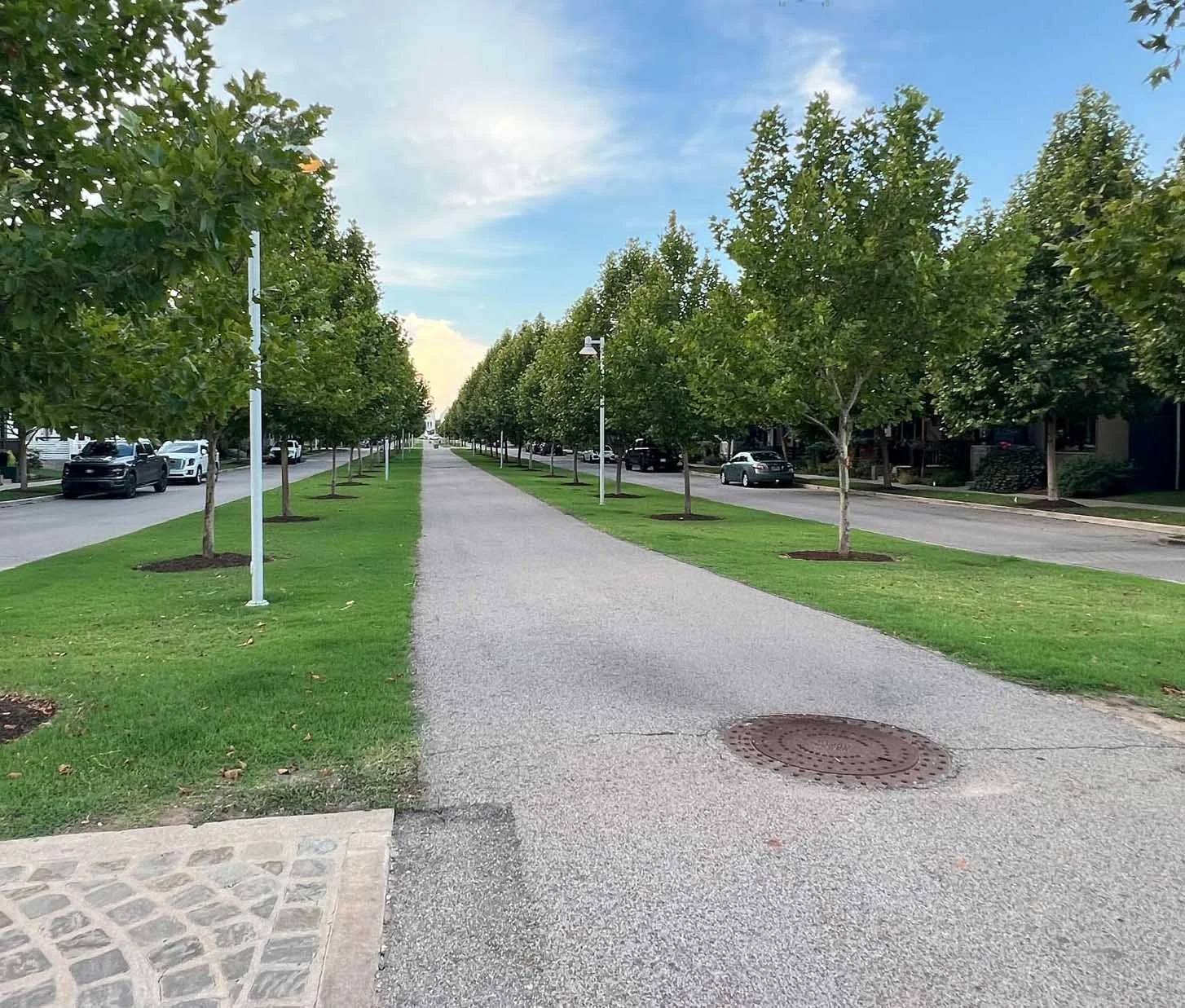
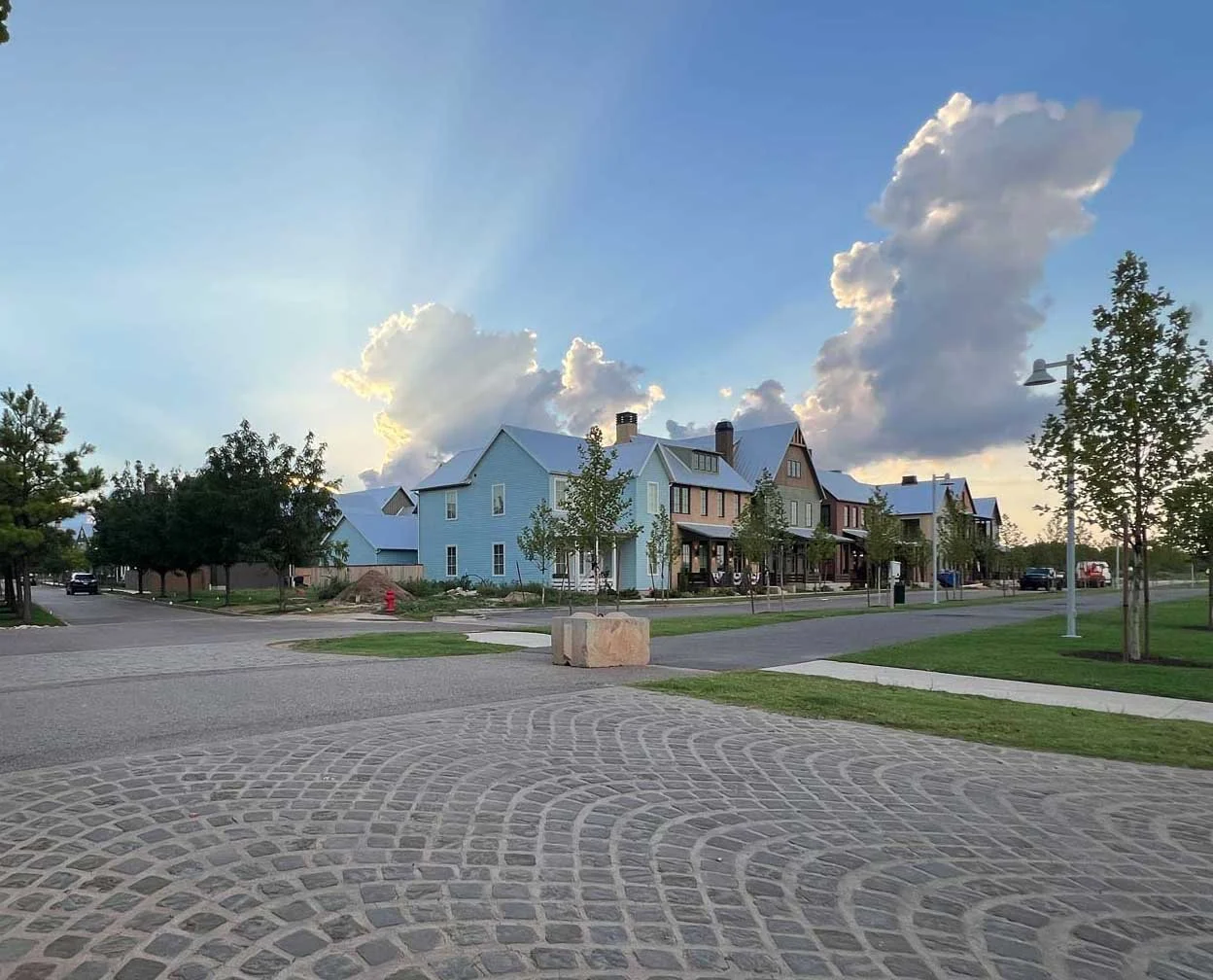
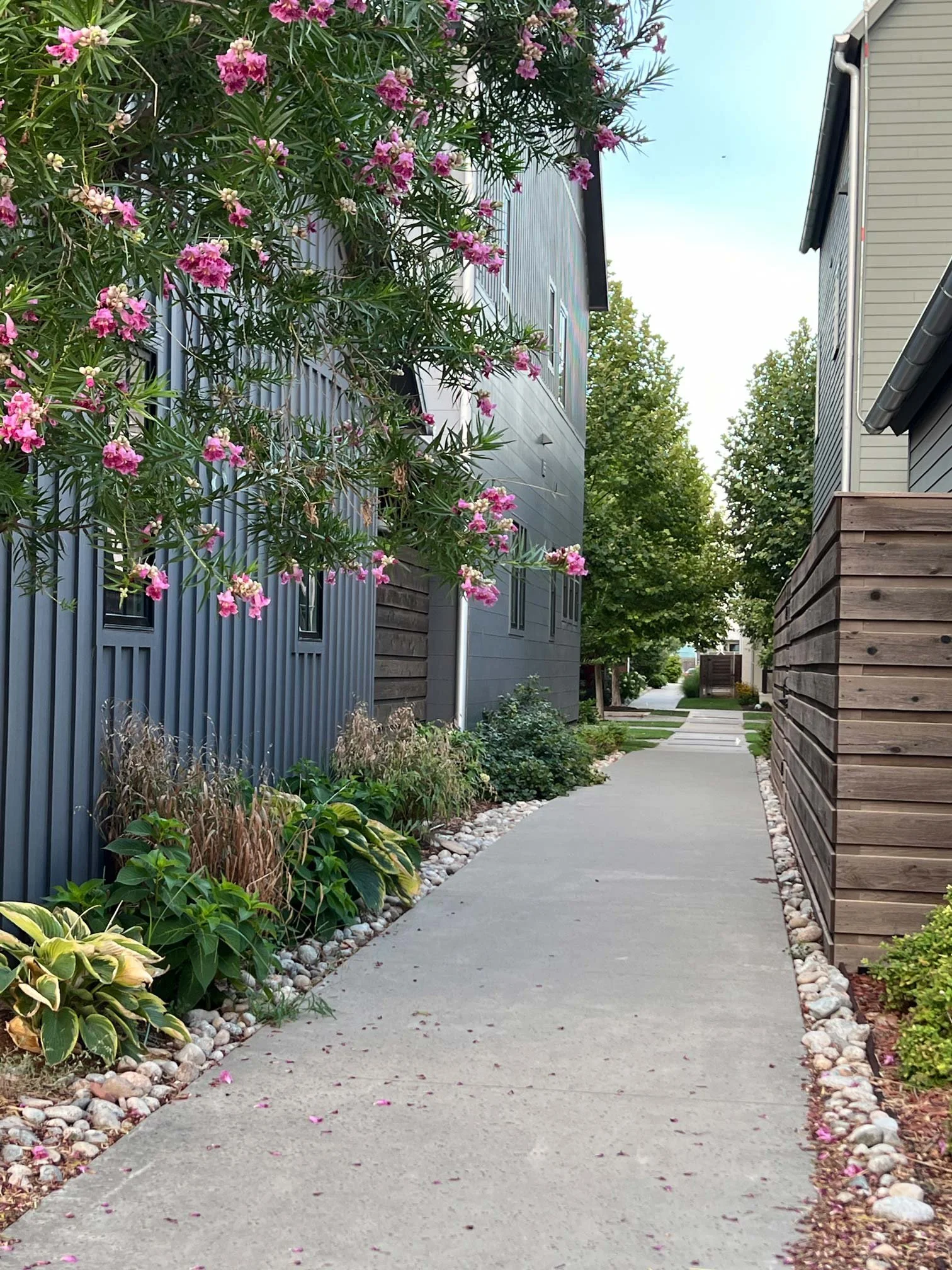
One of my favorite ways to explore new ideas is by visiting communities that are trying to rethink how we live. During a recent trip to Oklahoma City's Wheeler District, my sister captured photos of a neighborhood designed with walkability, connection, and sustainability in mind. What stood out wasn't just the unique homes or inviting public spaces—it was the thoughtful intention behind the community. Wheeler was created to encourage neighbors to know one another, reduce dependence on cars, and demonstrate that neighborhoods can be designed around people instead of traffic.
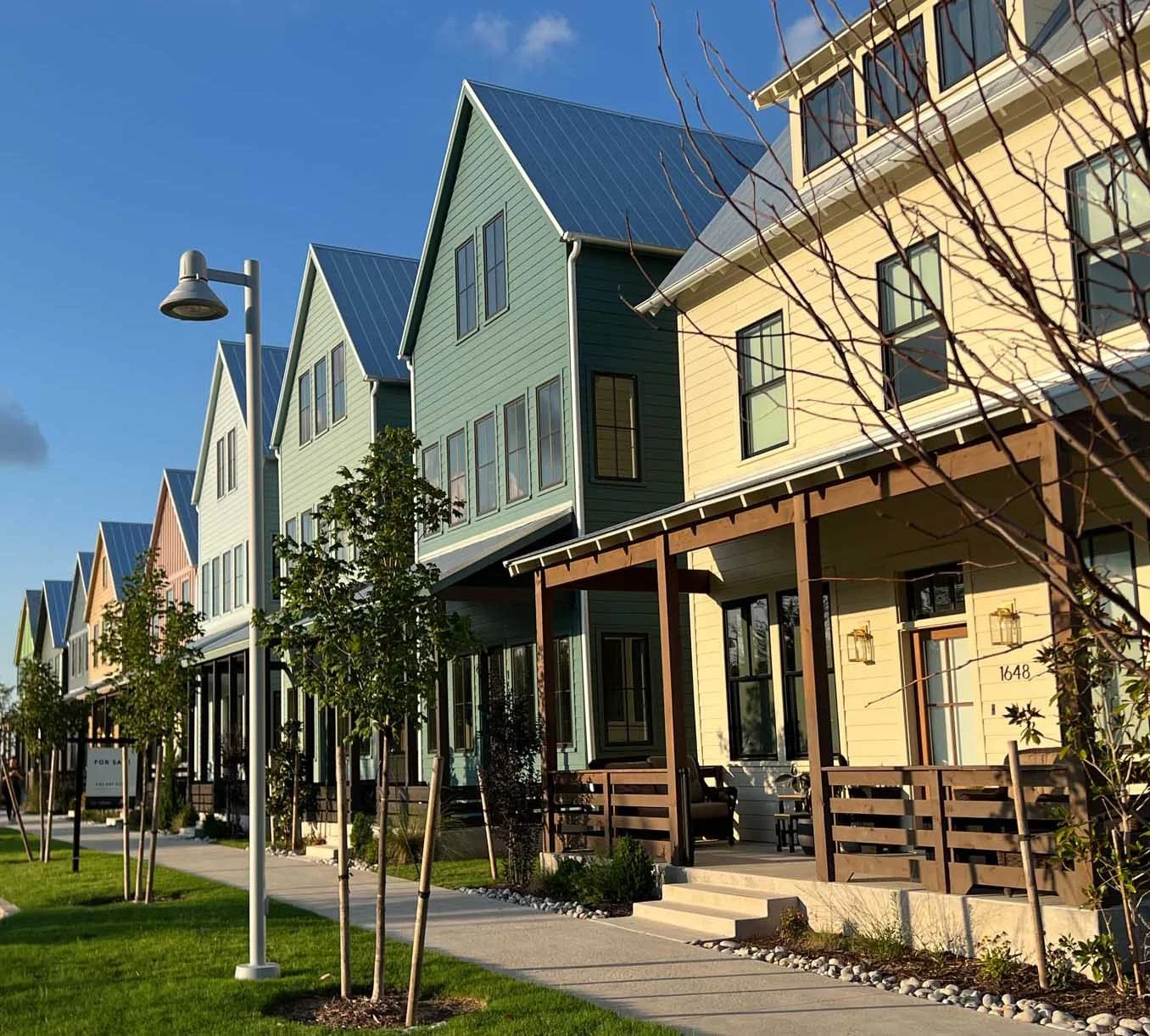
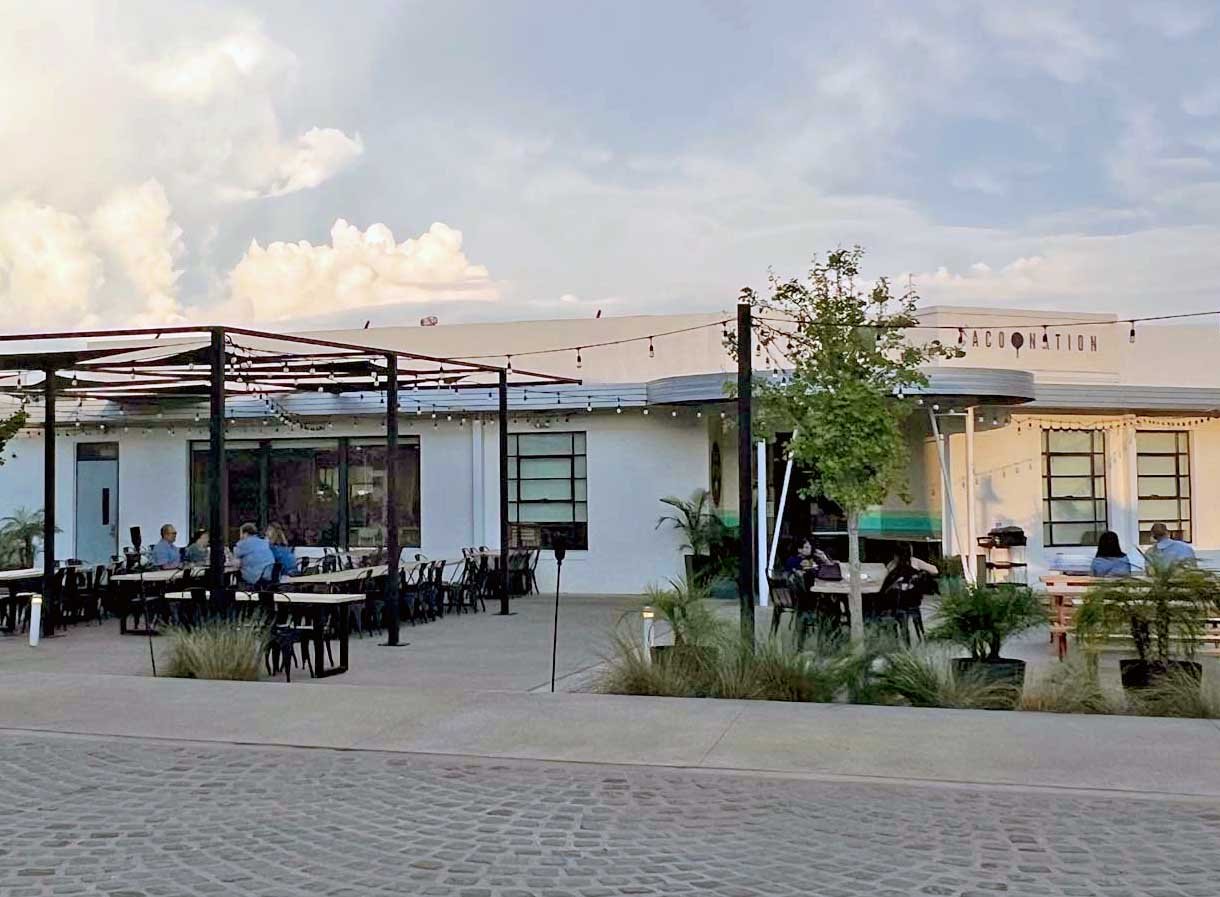
Wheeler is focused on walkability. Homes, parks, small businesses, and gathering spaces are intentionally woven together so residents can accomplish many everyday activities without driving everywhere. 🧡 💛 💚 💙 💜
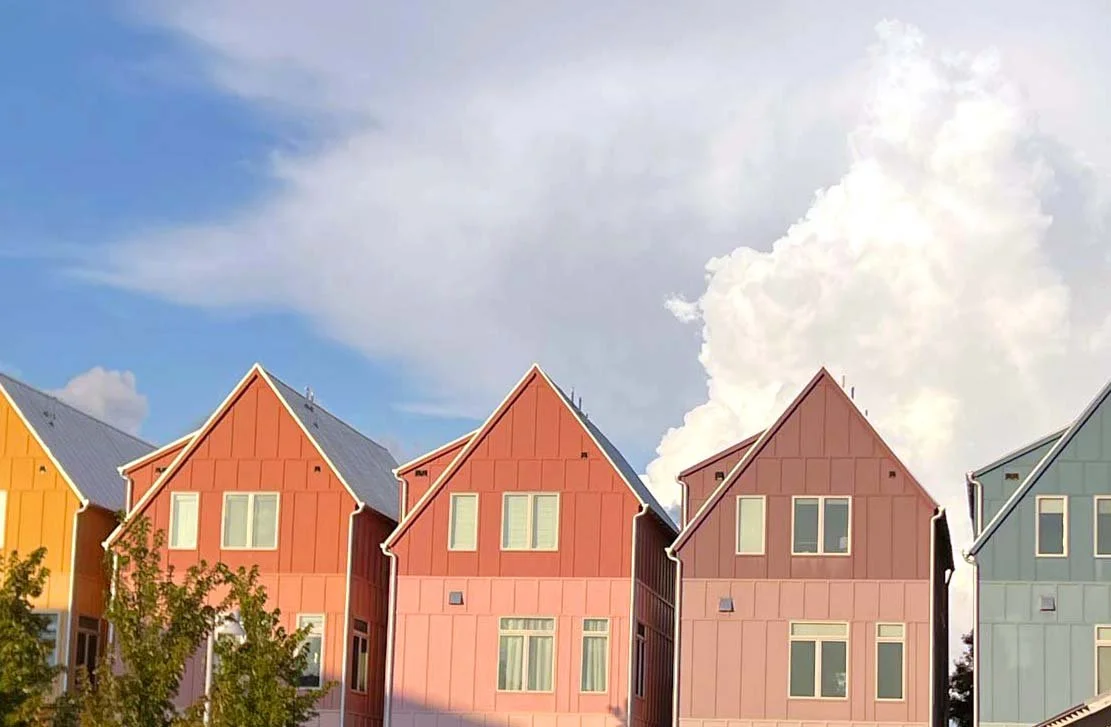
The neighborhood also embraces "missing middle" housing—duplexes, townhomes, cottages, and smaller homes that fit between large single-family houses and apartment complexes. These housing types help create a more diverse, attainable neighborhood while making better use of land and existing infrastructure.
What impressed me most is that the developers pursued these ideas despite having to work within traditional zoning regulations that often make this kind of neighborhood difficult to build. Creating compact, mixed-use communities in the United States usually means navigating decades-old policies that favor wide roads, large lots, single-family homes, and automobile dependency. Wheeler demonstrates that, even with those challenges, it's possible to move toward a model that prioritizes people over parking lots.
Of course, no development is without trade-offs. Some people question whether homes in Wheeler are affordable enough for everyone, and others wonder whether thoughtfully designed neighborhoods can eventually contribute to rising property values. Those are valid conversations worth having. But they shouldn't overshadow what Wheeler represents: a sincere attempt to build a neighborhood that is greener, more connected, and less dependent on cars. Progress rarely happens in a single leap. It happens through projects willing to challenge the status quo.
At Bear Cross Ranch, we're always looking for examples of communities that put people, sustainability, and connection first. Wheeler may not be the final answer, but it's an encouraging reminder that better neighborhoods are possible. If we want communities that are healthier, more resilient, and more welcoming, we need more developers, planners, and citizens willing to experiment, learn, and keep moving in that direction.